A great drive-thru experience depends on more than speed. Looking at the communication behind delays can help operators spot friction for customers and teams.
A customer reaches the speaker post and places an order. A drink modification is missed, so the customer repeats it at the window. Inside, a colleague asks the order taker to confirm the request, while the team tries to keep the next orders moving.
These moments are easy to dismiss as part of a busy shift. However, repeated orders, missed modifications, and colleagues chasing clarification can add friction at several points in the customer journey. For quick service restaurant (QSR) operators, the useful question is not only how long service takes, but what is happening behind the delay.
Look Beyond Service Times
Service-time reports can show when a drive-thru is slowing down, but they do not always explain why. The cause might be a kitchen bottleneck, staffing pressure, a complex order – or communication that breaks down between the speaker post and the team preparing it.
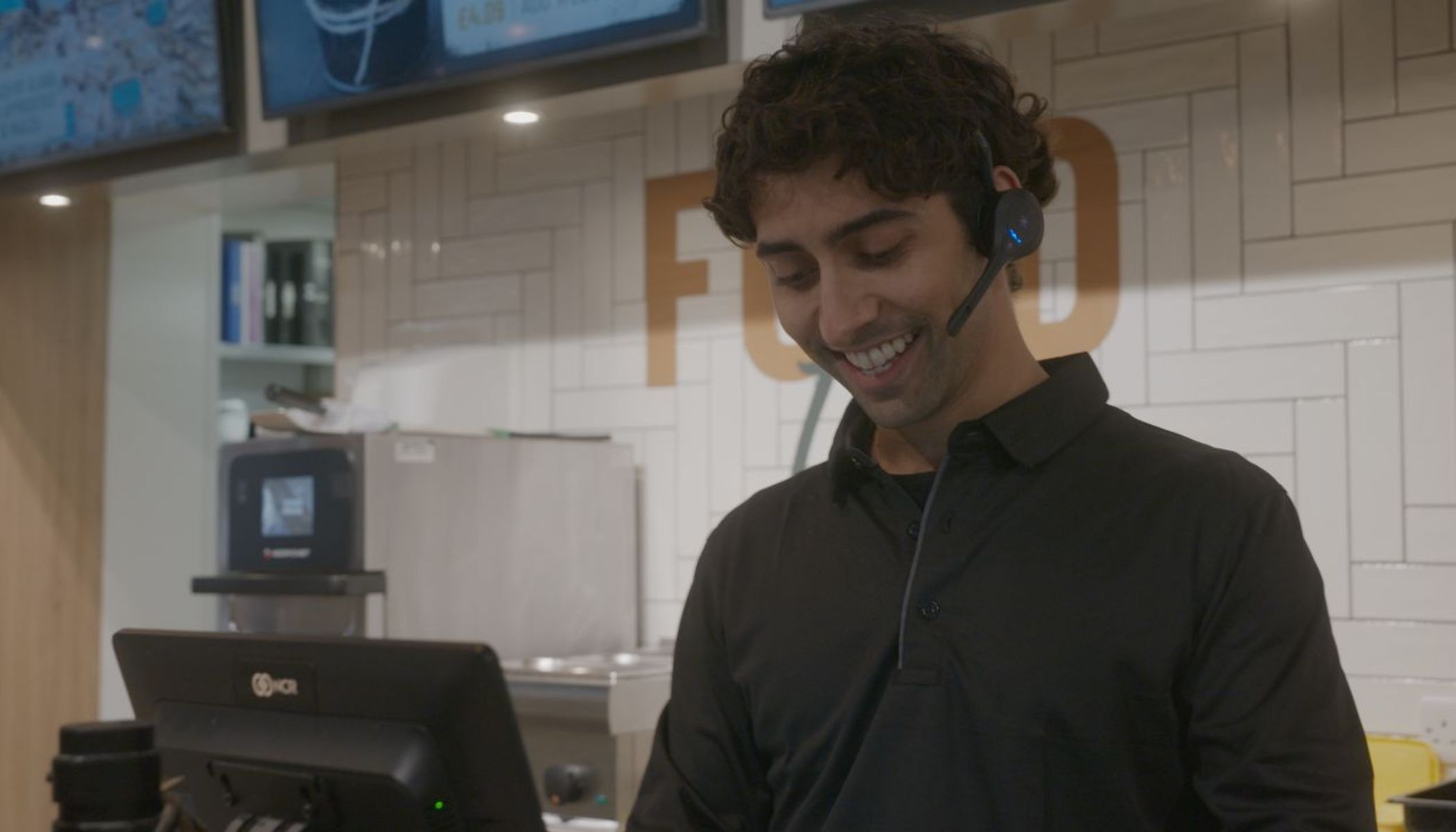
Drive-thru headsets are one part of this picture. When background noise makes a customer difficult to understand, an order taker may need to ask for repetition. If a modification is missed, the team may need to clarify it later, remake an item or explain the issue at the collection window. Each step can interrupt the flow of service and put extra pressure on employees.
A sponsored article published by QSR Magazine, Are Drive-Thru Blind Spots Costing Operators Sales?, explores how visibility gaps can affect drive-thru performance. For operators, this reinforces the value of looking beyond headline metrics to understand where customers encounter friction.
Make Technology Work for People
Improving efficiency should not mean treating every customer as a transaction to get through as quickly as possible. Customers still need to ask questions, change an order, or feel that someone is listening. Employees need tools that help them respond clearly without adding another layer of complexity to a busy shift.
In a sponsored article published by QSR Magazine, The Human Bean describes how technology can support efficiency while keeping hospitality central to the experience. The principle extends across the wider QSR sector: technology should help employees deliver good service, not create additional barriers between them and their customers.
Where Communication Fits
Operators reviewing drive-thru performance can ask team members where they most often need to repeat, confirm, or chase information. Look for recurring patterns across shifts or lanes to help identify where communication may be contributing to delays.
Quail Digital’s Pro9 Quick Service Headset System combines noise cancellation to improve speech intelligibility at the speaker post with lightweight headsets and intuitive controls for everyday use.
The Pro9 headsets can integrate with automated ordering systems (AOT), lane timers, and other above-store monitoring and management devices. Through its base station, the Pro9 system can integrate with compatible automated order-taking systems, lane timers and other above-store monitoring and management devices.
One Practical Takeaway
Before investing in another system or process change, map one recurring delay from the customer’s first order to the handover at the window. Note where information had to be repeated, clarified, or corrected, then ask the team what would prevent that friction next time. The answer may involve training, workflow, equipment – or a combination of all three.
Looking beyond service times helps operators focus on the cause of a delay, not just the number on the report. Identifying and addressing these communication gaps can help customers feel heard and give employees fewer avoidable interruptions during service.