For many retailers, communication technology has become an essential part of day-to-day operations.
Store teams rely on it to coordinate tasks, support customers, respond to incidents and keep operations running smoothly. As a result, wireless communication systems have become a standard feature across supermarkets, convenience stores, department stores and specialist retail environments.
But as retailers begin planning their next technology refresh, there is an important question worth asking:
Is your next headset upgrade simply replacing hardware,or is it an opportunity to improve how your store operates?
Retail has changed dramatically over the last few years. Labour challenges, rising customer expectations, AI innovation, self-checkout adoption and increased focus on employee wellbeing are all placing new demands on communication systems.
As a result, many retailers are looking beyond traditional headset functionality and evaluating how communication technology can support wider operational goals.
Retail Communication Has Evolved
Historically, wireless headset systems were designed to solve one challenge: helping teams communicate more effectively.
Today, retailers require much more.
Modern communication platforms are increasingly expected tosupport:
- Faster customer response times
- Improved employee wellbeing
- Store safety initiatives
- AI-driven workflows
- Connected store technologies
- Cross-department collaboration
- Operational efficiency
The role of communication technology is expanding from simple voice communication to becoming a central part of the connected store.
This shift is changing how retailers evaluate communication solutions and what they expect from future investments.
Is Your Communication Platform Ready for the Future?
When retailers review communication systems, discussions often focus on hardware specifications.
Battery life.
Audio quality.
Coverage.
While these remain important, they no longer tell the whole story.
Retailers are increasingly asking broader questions:
- Can our communication platform integrate with future technologies?
- Will it support AI initiatives?
- Can it improve employee safety?
- Does it create ongoing software costs?
- Will it still meet our needs five years from now?
These questions are becoming just as important as the headset itself.
The Rise of Speech Recognition
One of the biggest developments in retail communication is the move towards hands-free interaction.
As retail environments become busier and teams are expected to do more with fewer resources, reducing unnecessary steps can have asignificant impact.
Built-in speech recognition allows users to initiate communication and access functionality without needing to manually interact with the headset.
Rather than adapting workflows around technology, technology adapts to the user.
As voice-enabled technologies continue to expand across retail, speech recognition is increasingly becoming a feature retailers should consider when evaluating their next communication platform.
From Communication Tool to Connected Store Platform
Retailers are investing heavily in technology.
AI applications.
Self-checkout systems.
Store alerts.
Telephony.
Security systems.
Building management platforms.
The challenge is ensuring these technologies work together.
Communication platforms are increasingly acting as the bridge between store teams and the systems they use every day.
Rather than operating in isolation, modern communication solutions can become part of a wider connected-store strategy, helping information reach the right people at the right time.
For many retailers, this represents one of the most significant opportunities for operational improvement over the next decade.
The Hidden Cost of Retail Technology
When evaluating new technology, upfront investment is only part of the picture.
Retailers should also consider the long-term operational costs associated with their chosen solution.
Recurring licence fees, software subscriptions and paid integrations can significantly increase the total cost of ownership over time, particularly across large store estates.
Understanding the long-term financial impact of a communication platform is just as important as evaluating the initial purchase price.
The most successful retailers often take a five-year view rather than focusing solely on short-term costs.
Communication and Employee Safety
Retail communication is no longer just about efficiency.
It is also becoming an important part of employee wellbeing and store safety strategies.
Retail teams increasingly face situations where rapid communication is critical, whether responding to aggressive behaviour, theft, medical incidents or urgent operational issues.
As retailers place greater emphasis on creating safer working environments, communication platforms are playing a growing role in helping teams respond quickly and confidently.
Before You Upgrade, Ask These Five Questions
Before making your next communication technology investment, it may be worth considering the following:
1. Does your communication platform support AI integration?
As AI becomes more prevalent across retail, communication systems should be capable of supporting future innovation.
2. Can your teams operate hands-free using speech recognition?
Reducing friction and simplifying communication can help improve efficiency and adoption.
3. Are you paying ongoing software subscription fees?
Understanding the true long-term cost of ownership is essential.
4. Can your communication platform connect with wider store technologies?
The future of retail is connected, and communication systems should support that vision.
5. Will your communication platform still meet your requirements five years from now?
Future-proofing technology investments can help avoid costly replacements and limitations later.
What This Means for Retailers Reviewing Existing Systems
Many retailers currently using communication platforms such as the Vocovo S5 are beginning to reassess what they need from their next technology investment.
The conversation is no longer simply about replacing headsets. It is about selecting a communication platform that can support operational efficiency, employee wellbeing, AI initiatives and connected-store strategies.
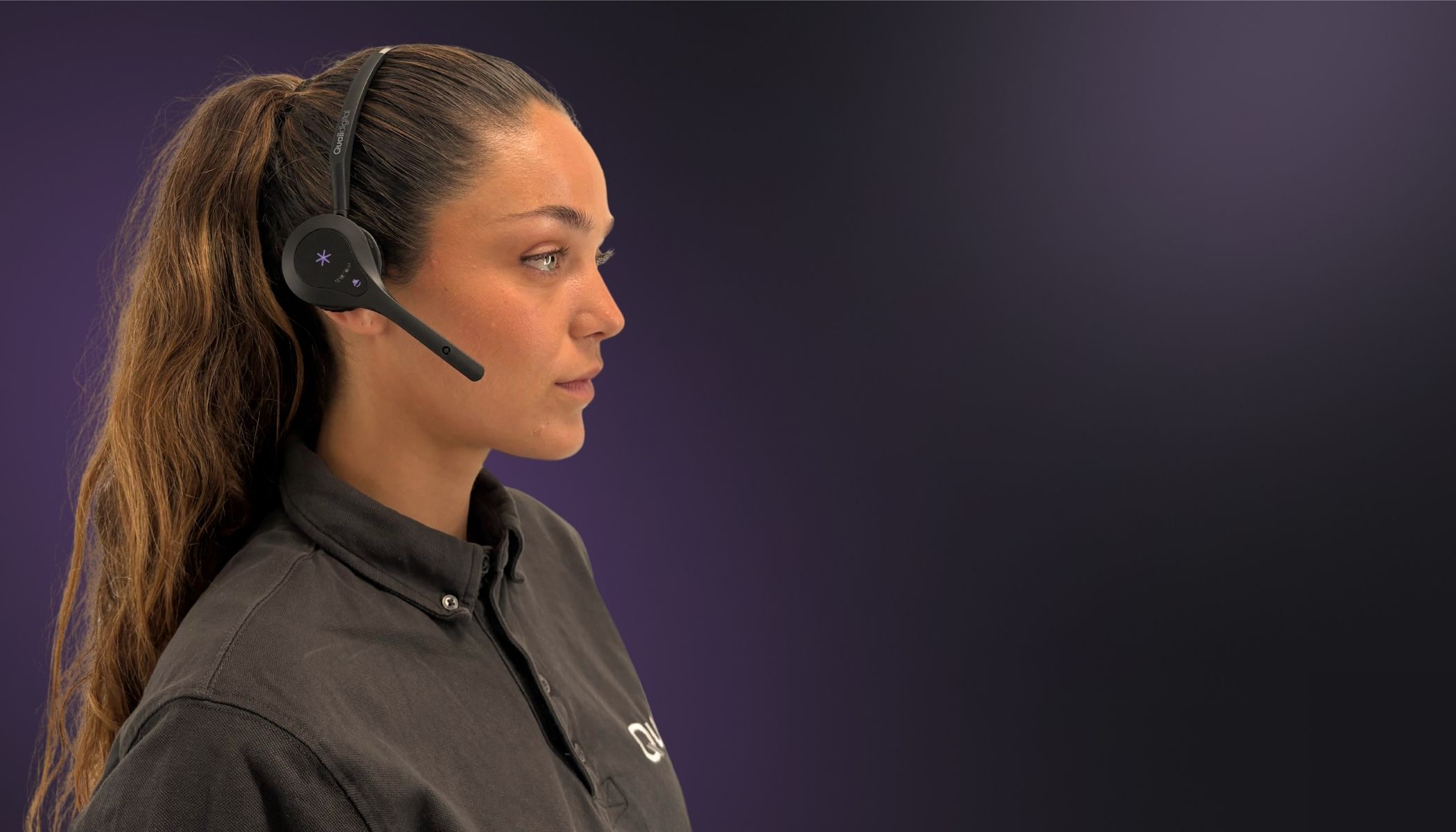
For retailers evaluating alternatives to the Vocovo S5, Quail Digital's Pro12 Retail Headsets already provide capabilities including built-in speech recognition, AI connectivity, open integration options, emergency communication features and SaaS-free functionality designed for modern retail environments.
As retailers approach their next refresh cycle, the opportunity is not simply to upgrade hardware. It is to evaluate whether their communication platform is ready for the future of retail.
Looking Ahead
Retail communication is entering a new era.
Speech recognition, AI integration, connected-store functionality, employee safety and open system integration are rapidly moving from desirable features to operational requirements.
Whether retailers are currently using a Vocovo S5 system or reviewing alternative communication platforms, future readiness should be a key consideration.
Solutions such as Quail Digital's Pro12 Retail Headsets have helped redefine what retailers can expect from communication technology, moving beyond traditional team communication towards fully connected retail operations.
The question is no longer whether communication technology matters. The question is whether your current communication platform is ready for what comes next.