Clear communication in robotic surgery can help address the uncertainty of missed instructions, support a calmer operating room and create opportunities for clinical team training.
A request is made from the surgeon’s console. Across the operating room, a colleague needs to hear it, understand it and respond.
When that exchange is clear, it can pass almost unnoticed. When it is not, someone must repeat themselves, raise their voice or pause to check what was said. Alongside the demands of a complex procedure, wondering whether an instruction has been heard creates another source of pressure.
In a video exploring his approach to robotic heart surgery, Dr Husam H. Balkhy of the University of Chicago Medicine describes how headsets changed the way his surgical team communicated. His experience raises a practical question for robotic surgery programmes: how much attention do we give to the effort it takes for everyone to hear one another?
How robotic surgery changes team communication
Balkhy trained to perform heart surgery through the established approach. But he recalls patients whose operations were technically successful yet who struggled to return to their previous lives after their sternum had been opened. Those experiences helped drive his pursuit of a less invasive approach.
Robotics offered a way forward. It also changed the working environment around him.
With the surgeon at a console and colleagues positioned around the patient, the surgical team cannot rely on the same proximity or visual cues as they might during conventional surgery. They still need a shared understanding of what is happening, even when they are looking in different directions and carrying out different tasks.
Effective robotic surgery communication therefore needs deliberate attention: who must hear an instruction, how they acknowledge it and how they ask for clarification.
Taking the strain out of being heard
Balkhy describes introducing headsets while working in Milwaukee roughly 15 years ago, drawing inspiration from motorcycle riders communicating over background noise.
In his account, the team did not return to its previous way of working. Headsets allowed people to speak in normal tones rather than shout across the room. The atmosphere changed, and cases felt more fluid.
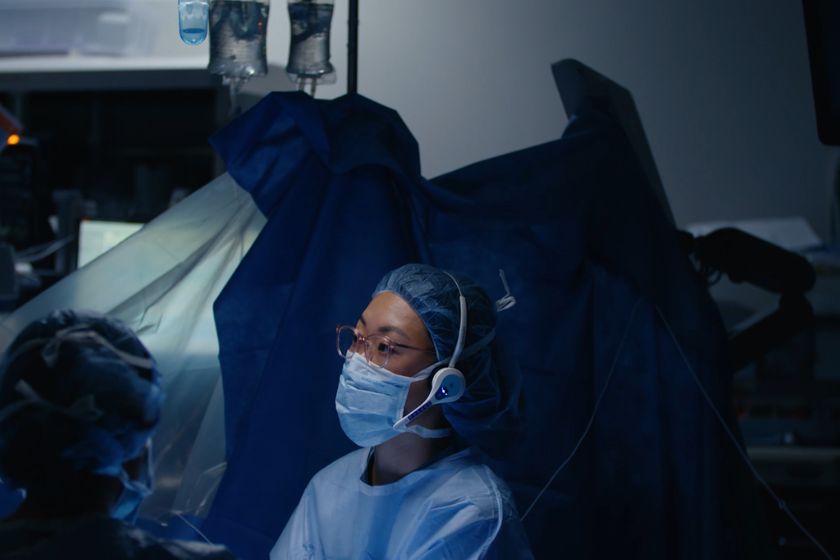
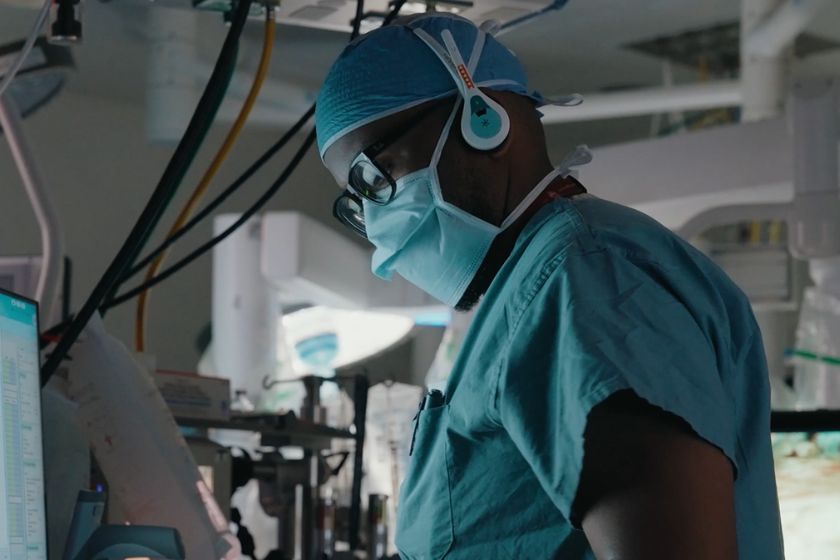
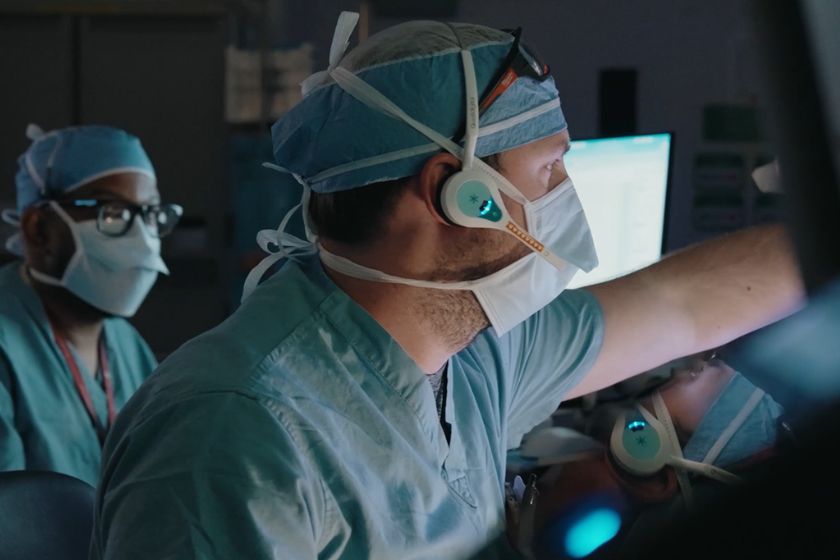
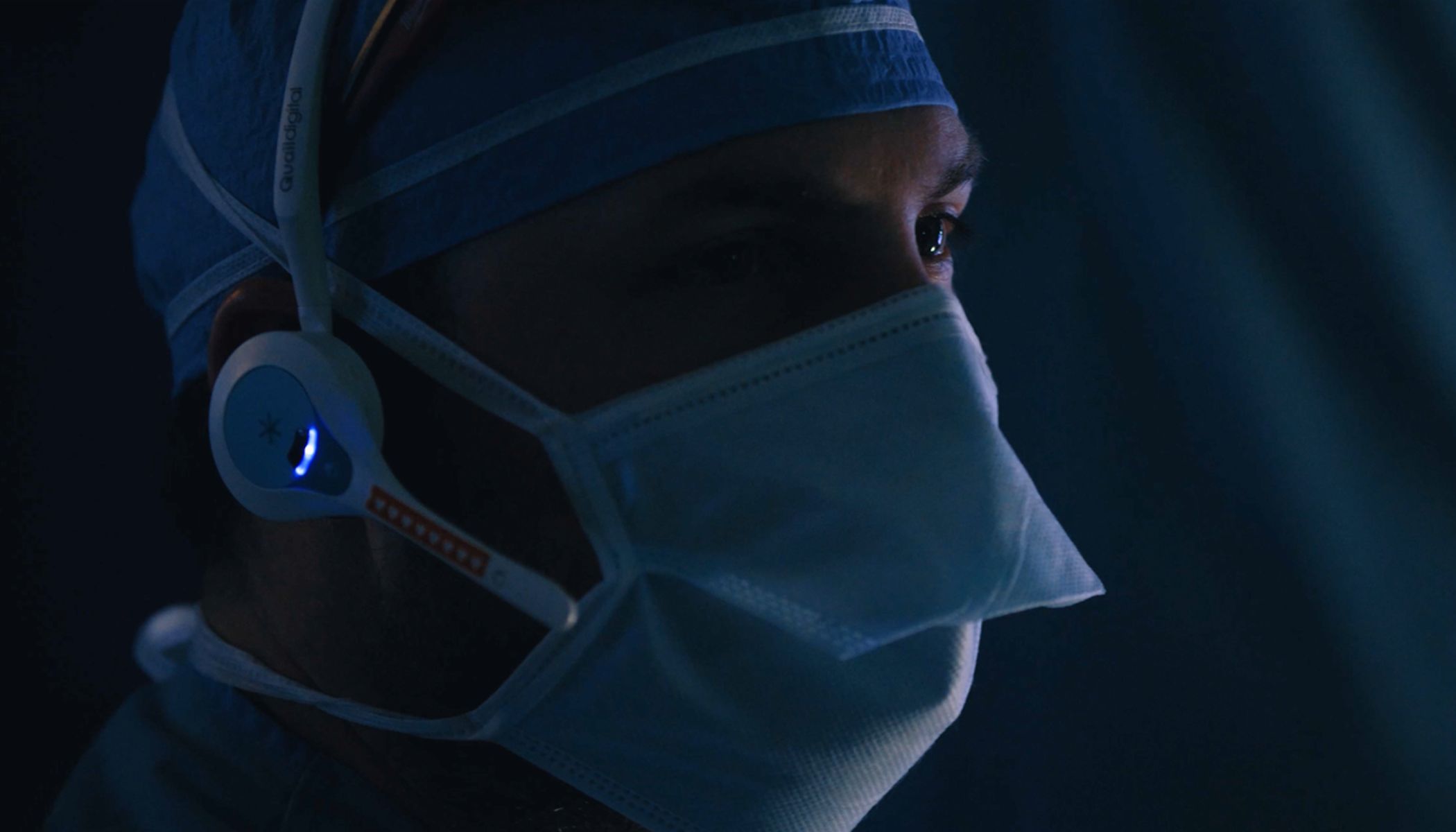
The team’s current surgical environment features Quail Digital’s Pro11 healthcare headset communication system. Balkhy’s recollection of first adopting headsets illustrates how a practical change to communication can influence the experience of working together.
The uncertainty between speaking and receiving a response deserves attention. Was the request heard? Was it understood? Does it need repeating?
Repeatedly having to resolve those questions can add to the stress of an already demanding environment. Clear audio, supported by an acknowledgement, can help teams address that uncertainty and maintain a shared understanding.
Balkhy also describes wanting colleagues to feel proud of their contribution rather than be harshly criticised. Being able to hear a question and feeling comfortable asking it both matter when building a supportive surgical team.
Making communication part of robotic surgery training
The same thinking belongs in clinical team training.
Introducing a robotic platform means the wider team must learn how to coordinate around it: when to prepare equipment, how to respond to requests and how to communicate when something needs attention.
Wireless surgical headsets can provide a way to keep those exchanges audible during training. An instructor could explain a step while colleagues remain in their working positions, helping connect an instruction with the action it supports.
Training sessions also offer an opportunity to establish communication habits before they become routine. Teams can practise acknowledging requests, asking for clarification and raising concerns clearly.
Including communication in robotic surgery training recognises the contribution of everyone around the robot and the coordination their work requires.
Helping students hear the teamwork behind the procedure
For students observing robotic surgery, hearing the conversation could add valuable context to what they see on a screen.
An explanation from the console, a request for an instrument and a colleague’s response can reveal how the team prepares for the next stage. These exchanges offer an opportunity to understand the timing and judgement behind the actions being observed.
Healthcare headsets provide a potential way for students to follow that conversation without requiring the surgeon to project their voice across the room. Alongside learning about surgical technique, observers could gain insight into anticipation, coordination and teamwork.
That listening experience needs to be planned. Deciding who listens, who speaks and when questions are appropriate helps teaching fit around the procedure and the clinical team’s work.
Building clearer communication into everyday practice
As hospitals introduce robotic systems, communication deserves a place alongside equipment preparation, room layout and technical training.
Can everyone hear from their working position? How are requests acknowledged? Can a new colleague ask for clarification comfortably? Can students follow an explanation from their observation position?
Balkhy’s experience gives those questions a human context: a team able to speak at a normal volume, in a room that felt different to work in.
For robotic surgery programmes, the opportunity is to build that clarity into everyday practice, beginning with how teams train, listen and learn together.
Watch the video: Dr Husam Balkhy on robotic heart surgery, teamwork and communication.