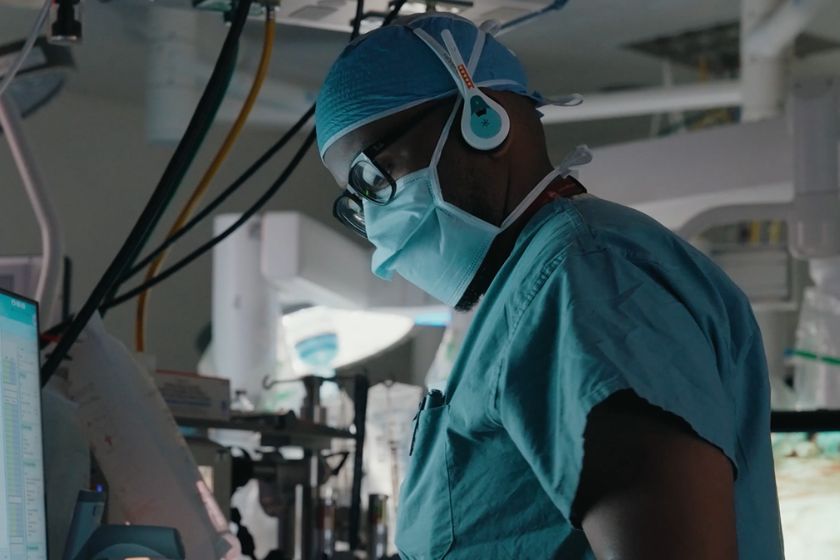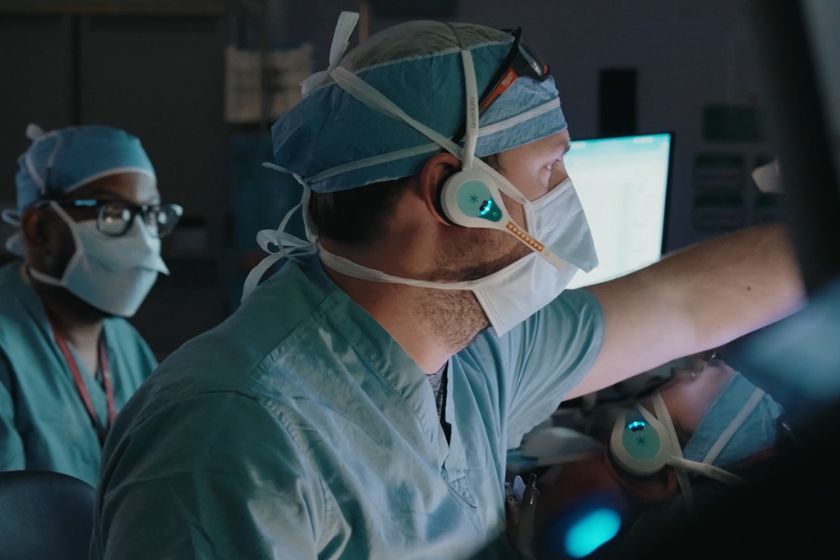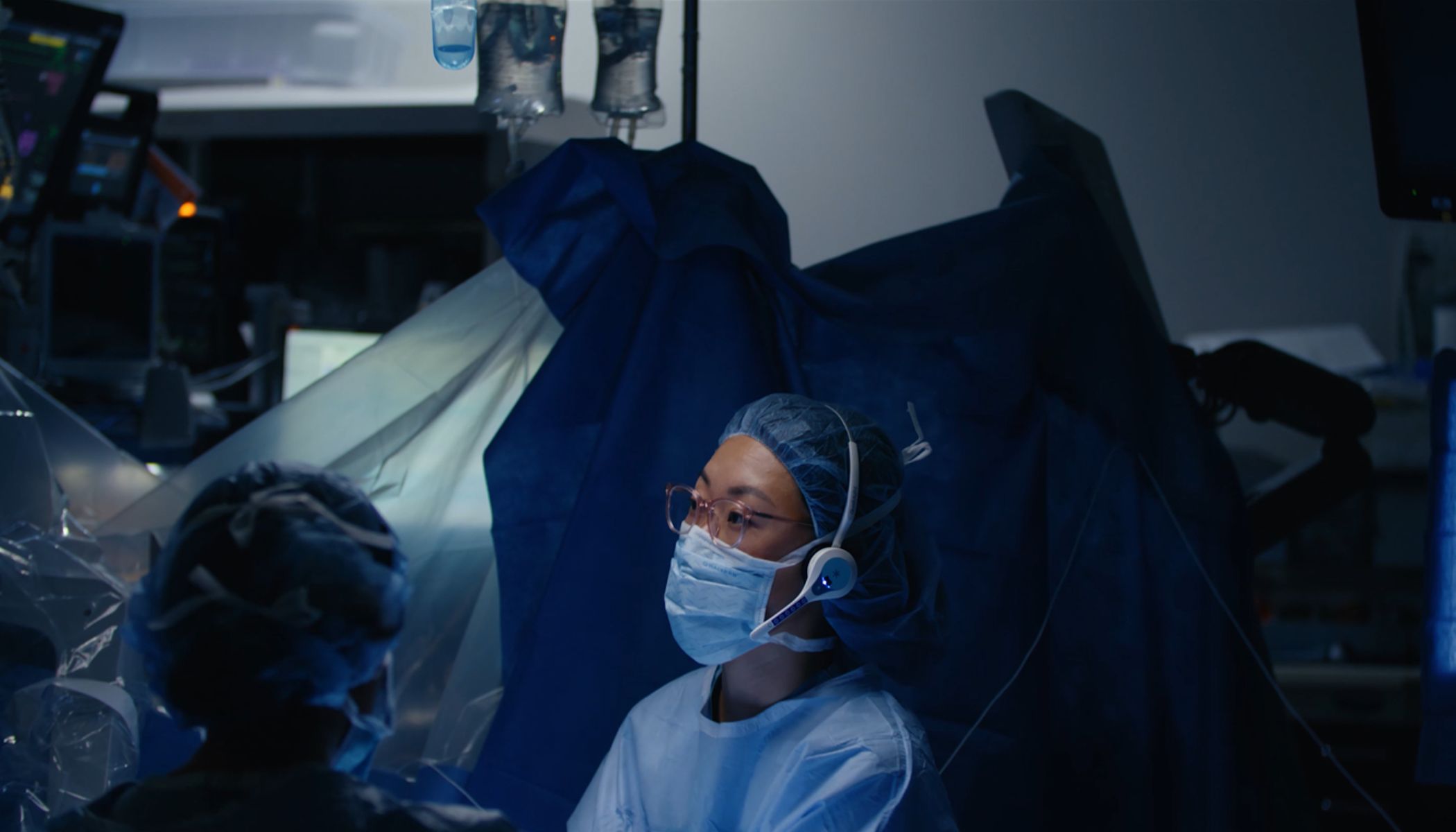
A procedure is underway, with the clinical team focused on the patient and a physiologist monitoring from the control room next door. An update needs to be communicated – but the people who need to hear it are working in a different room.
In a Cath Lab or EP Lab, this physical separation is just one of the barriers that can make healthcare communication more difficult. Noise, competing conversations and the need to remain focused on the procedure can all affect how easily teams communicate.
As healthcare increasingly turns to technology to remove barriers, the question should not simply be ‘What technology can we introduce?’, but ‘What problem are we trying to solve?’. A recent Healthcare Business Today article makes a similar point in the context of AI, arguing that healthcare technology is most valuable when it addresses genuine barriers to patient care.
When Communication is Part of the Challenge
Research examining communication in operating rooms (ORs) found that communication failures occurred in approximately 30% of procedurally relevant team exchanges. More than a third of the identified failures resulted in visible effects on the clinical process, including inefficiency, delays, tension, and procedural problems (Lingard et al., PubMed/BMJ Quality & Safety - Communication failures in the operating room).
The message is clear: healthcare communication is more than a convenience; it is part of how clinical teams coordinate their work
Removing Barriers between Teams
In an EP Lab, the people who need to communicate are not always standing next to one another.
At NHS Tayside, the physiology team works outside the EP Lab in the control room. Clinicians reported that their previous system created issues with background noise and hearing one another clearly. With Quail Digital’s Pro11 Healthcare Headsets, the team can communicate more clearly and efficiently.
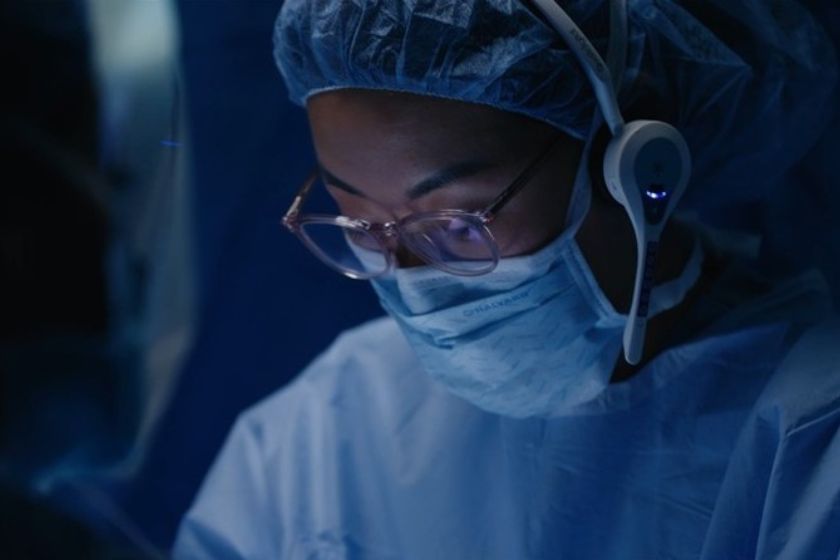
Wireless healthcare headsets can help keep teams connected across procedure and control rooms without requiring people to leave their position.
Reducing Noise Without Adding to the Noise
Clinical environments are rarely quiet. Equipment, alarms and multiple conversations can create a soundscape in which important instructions may need to be repeated or voices raised.
At Liverpool Heart & Chest Hospital, Consultant Cardiac Surgeon Dr Paul Modi describes communication during surgery as challenging because the theatre can become loud, requiring team members to repeat themselves. Following the introduction of Pro11 Healthcare Headsets, the hospital reported improved communication and a calmer, more efficient working environment (Pro11 Headsets – Liverpool Heart & Chest Hospital case study).
Keep Communication Moving
Communication should not require clinicians to stop what they are doing, move away from their position, or repeatedly try to attract a colleague’s attention.
For clinical teams working across Operating Rooms, Cath Labs, EP Labs, and IR Labs, Pro11 Healthcare Headsets provide wireless, hands-free communication designed to keep teams connected without interrupting the procedure.
Technology should Support People, Not Replace Them
Healthcare teams do not need technology that adds another complicated process. They need solutions that fit naturally into the way they work.
For wireless healthcare headsets, that means reducing background noise, keeping teams connected across clinical areas, supporting hands-free communication, and reducing workflow interruption.
The technology should fit around the clinical workflow – no task the clinical teams to work around the technology.
Start with the Problem, not the Technology
The strongest healthcare technologies are those that solve problems clinicians experience every day.
Physical separation does not have to mean communication gaps. Noise does not have to mean repeated instructions. Communication with a colleague does not have to mean interrupting the procedure in front of you.
Quail Digital's Pro11 Healthcare Headsets are designed around that principle: remove barriers to communication so clinical teams can stay connected and focused on the care in front of them.
The best healthcare technology is not necessarily the technology that does the most. It is the technology that makes it easier for people to do what they already do best – delivering care.